
2013 Anton Parr MCR 302 Modular Compact Rheometer
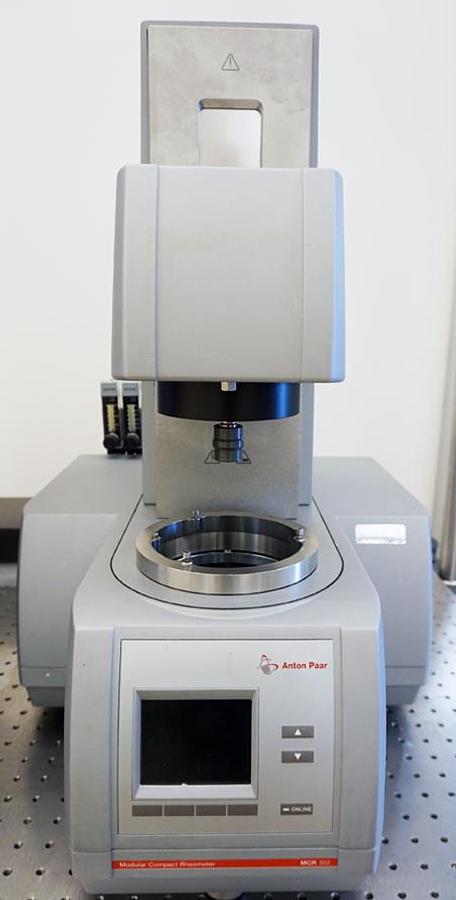
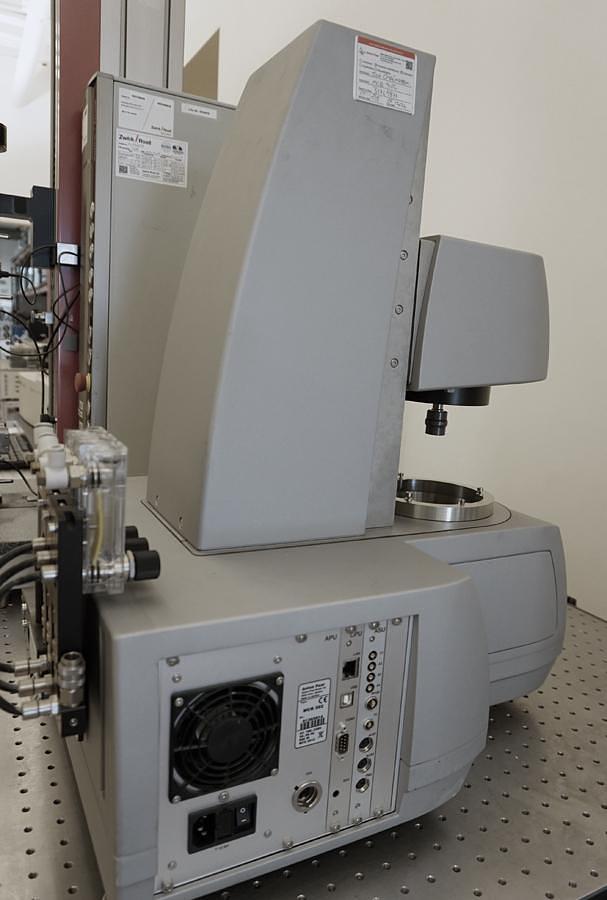
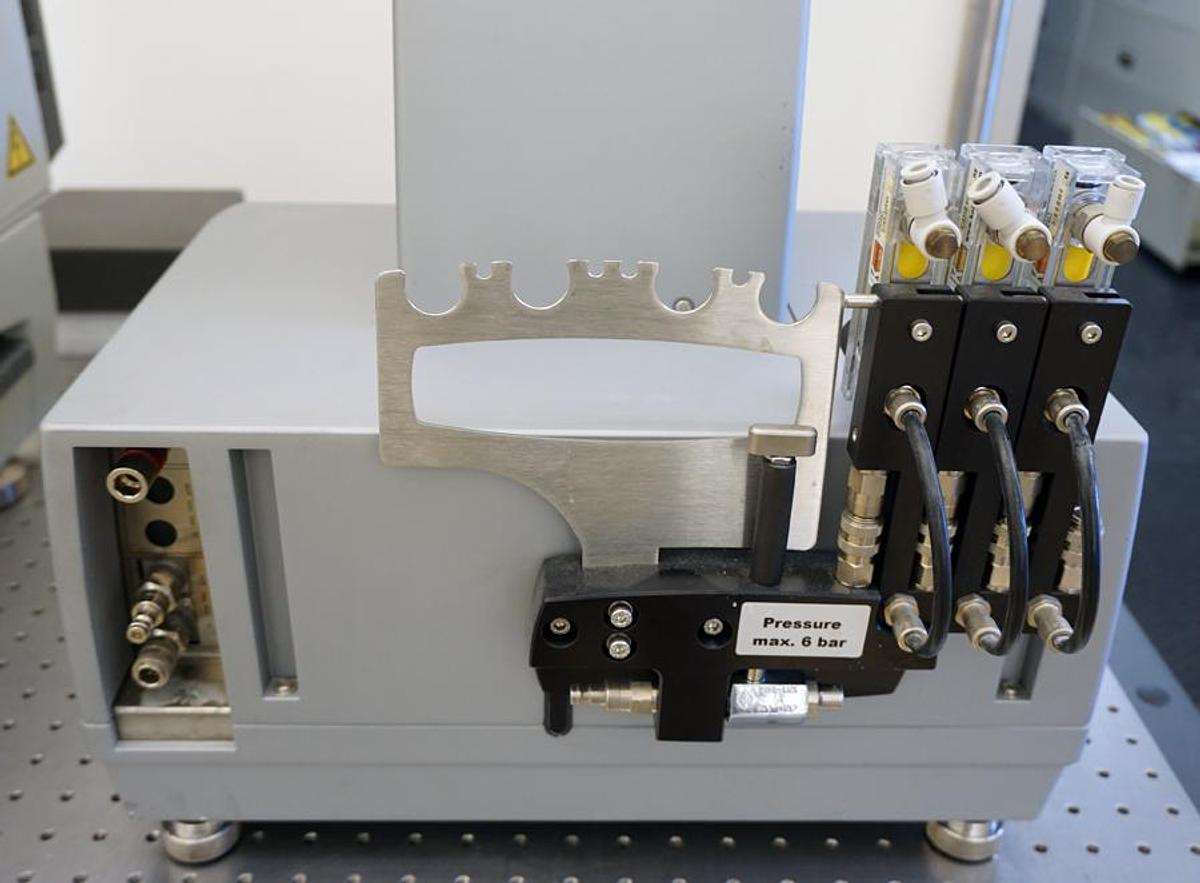
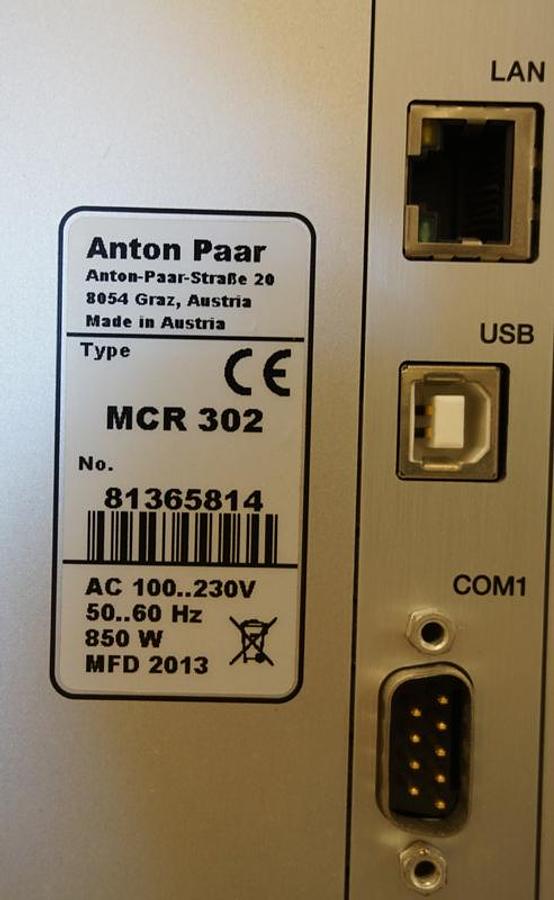
2013 Anton Parr MCR 302 Modular Compact Rheometer
$29,500 (USD)
Description
Anton Paar MCR 302 Modular Compact Rheometer
Includes Accessories EVU-10, IRS, CTD-600, P-PTD200, H-PTD200, C-PTD200, L-PP50/CTD
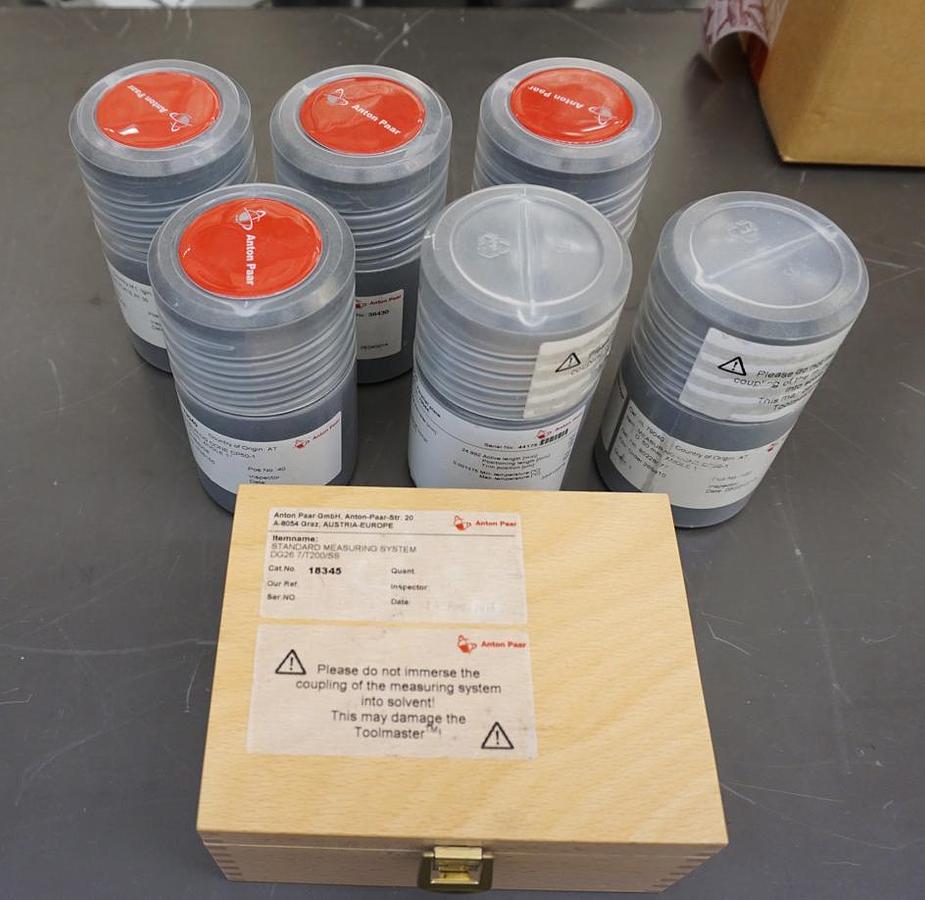
Includes multiple cone plates- see list below
Torque Range (Oscillation): 0.5 nNm – 200 mNm
Torque Range (Rotation): 1 nNm – 200 mNm
Minimum Angular Deflection: 0.05 µrad (set value)
Maximum Angular Velocity: 314 rad/s
Normal Force Range: 0.005 N – 50 N
Normal Force Resolution: 0.5 mN
Maximum Frequency: 100 Hz
The Anton Paar MCR 302 is a highly precise Modular Compact Rheometer widely used for routine R&D and advanced material characterization. It is known for its high-precision air-bearing EC motor and ability to handle rotational and oscillatory measurements to determine viscosity, shear stress, and viscoelastic properties.
Core Specifications
- Torque Range: 0.5 nN·m to 230 mN·m
- Normal Force Range: Integrated sensor allows normal force measurements up to 50 N (or up to 70 N in select updated configurations)
- Speed Range: 10⁻⁸ rad/s to 300 rad/s
- Frequency Range: 10⁻⁵ Hz to 100 Hz
- Measurement Modes & Accessories
- Temperature Control: Broad range of options; Peltier systems for -40 °C to 200 °C, convection ovens, or specialized accessories like the CTD1000 for -100 °C to 1000 °C.
- Modularity: Compatible with over 200 plug-and-play accessories covering rheology, tribology, powder rheology, DMA, and UTM (Universal Testing Machine).
Key Technologies
- TruGap™: Automatically detects and changes the measuring gap during testing to account for sample thermal expansion.
- Toolmaster™: An automatic recognition system that detects measuring geometries as soon as they are attached.
Description
The Anton Paar MCR 302 is a modular rheometer for rotational and oscillatory rheological measurements. Integrated with the CTD1000 Convection Temperature Control Device (-100°C to 1000°C), it enables high-temperature fluid characterisation, essential for molten salt reactors (MSRs), pyroprocessing, and nuclear waste studies.
Capabilities
• Molten Salt & High-Temp Rheology: Measures viscosity, flow behaviour, and phase transitions of molten salts and reactor coolants.
• Shear & Oscillatory Testing:
o Rotational Mode: Determines shear viscosity and flow curves for nuclear fuel cycle fluids.
o Oscillatory Mode: Analyses storage (elastic) and loss (viscous) moduli for structural integrity.
• Controlled Atmosphere Testing: Allows studies under inert, oxidising, or reducing gases to simulate real-world reactor conditions.
• Cone/Plate & Parallel Plate Geometries: Enables precise shear stress and rate control for complex fluids.
Technical Specifications
• Temperature Range: -100°C to 1000°C with convection heating for uniform distribution.
• Torque Range: Min. 0.01 µNm, Max. 230 mNm, enabling precise viscosity measurements from low-viscosity liquids to high-viscosity slurries.
• Shear Rate Range: 10⁻⁵ s⁻¹ to 10⁴ s⁻¹, covering slow-flowing to highly dynamic fluids.
• Frequency Range: 10⁻⁷ Hz to 100 Hz, supporting broad oscillatory testing.
This high-precision rheometer enables detailed rheological analysis of molten salts, nuclear coolants, and high-temperature materials, supporting reactor development, pyroprocessing, and nuclear waste handling.
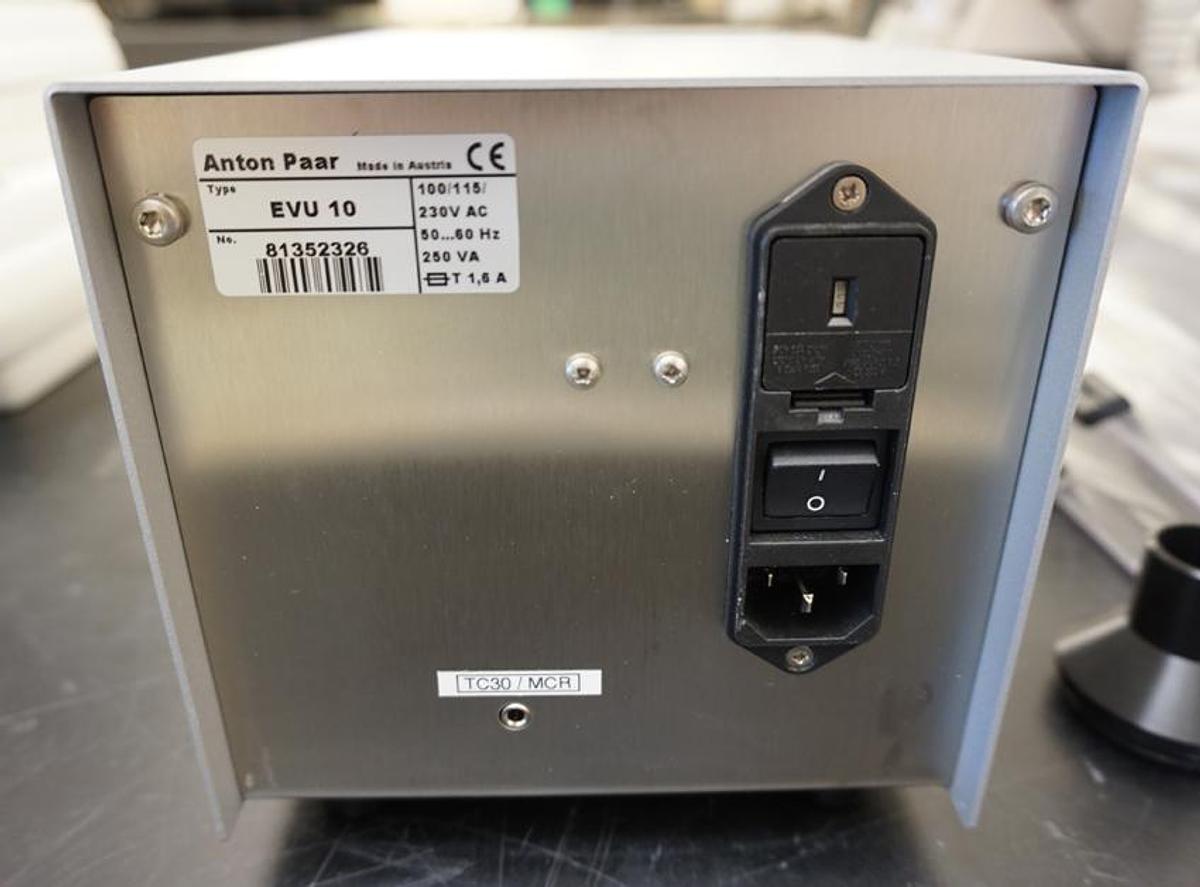
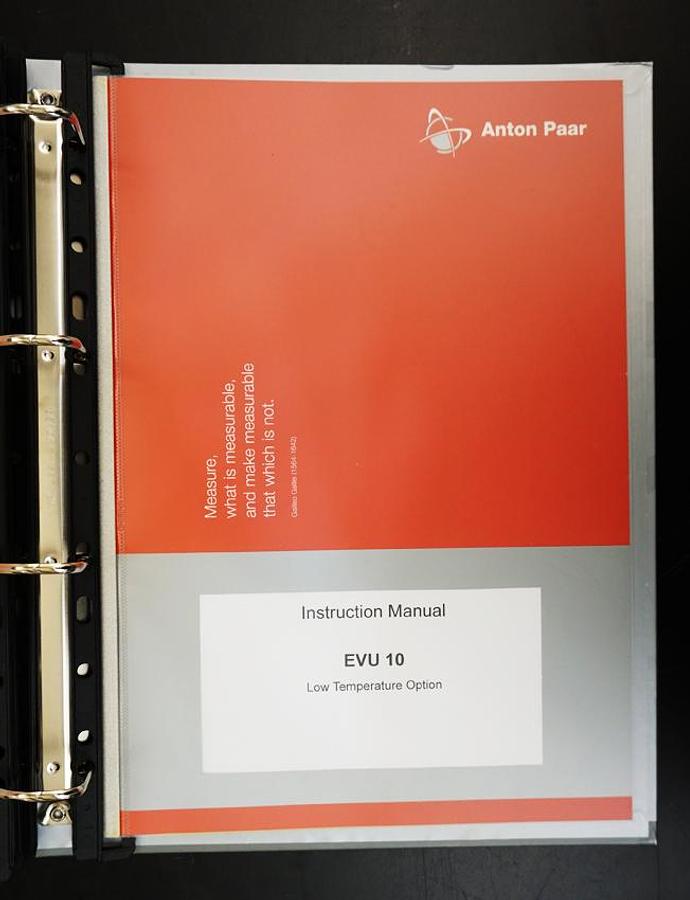
EVU 10 Low Temperature LN2 accessory
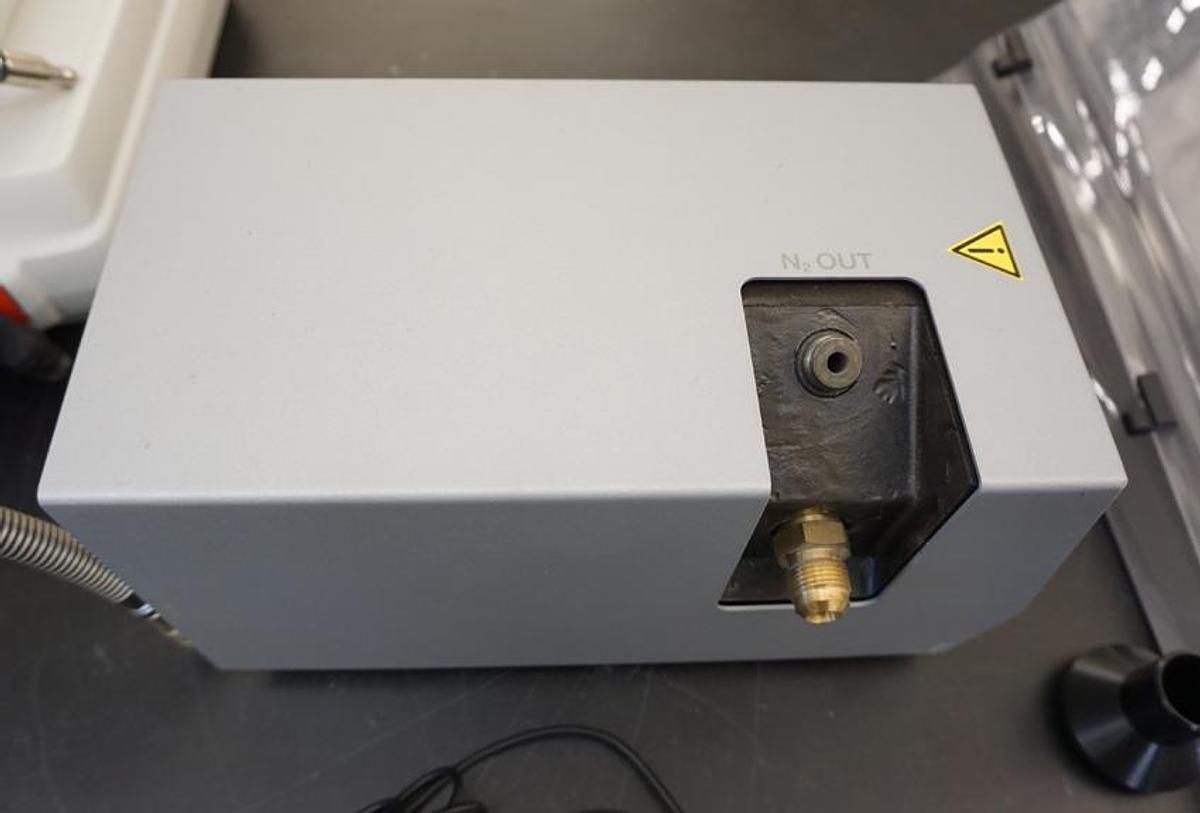
The Anton Paar EVU 10 is a liquid nitrogen evaporation unit designed for MCR rheometer temperature devices like the CTD 450 convection oven. It cools samples down to -130 °C or -170 °C, preventing ice formation by flooding the test chamber with nitrogen vapor. Key Features of the EVU 10 System
- Temperature Range: Cools convection ovens down to extreme sub-zero levels (typically -130 °C to -170 °C depending on the specific oven configuration).
- Moisture Control: Floods the measuring area with dry nitrogen gas to stop ice crystal buildup and condensation on cold samples.
- Gap Compensation: Works with the rheometer's normal force control to adjust for thermal contraction of the sample during cooling tests.
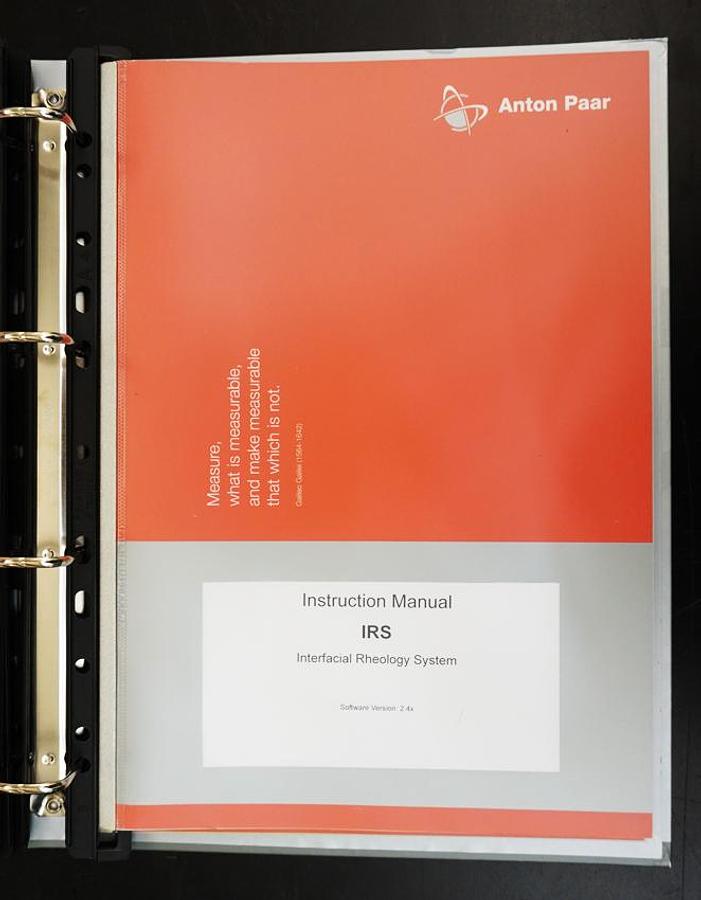
IRS Interfacial Rheology System
The Anton Paar Interfacial Rheology System (IRS) is an accessory for MCR series rheometers. It measures two-dimensional flow and viscoelastic properties of liquid-gas or liquid-liquid interfaces. This tool helps evaluate emulsion and foam stability by analyzing how surfactants or proteins behave at phase boundaries.
Key Features
- Compatibility: Works with MCR rheometers (such as the MCR 302 and 502).
- Measuring Geometries: Uses a bi-cone ring, double-wall ring, or Du Noüy ring placed directly at the interface.
- High Sensitivity: Detects very weak interfacial structures using precise low-torque controls.
- Test Modes: Supports rotational and oscillatory tests, including film formation tracking over time.
CTD 620 Convection Temperature Stability Device
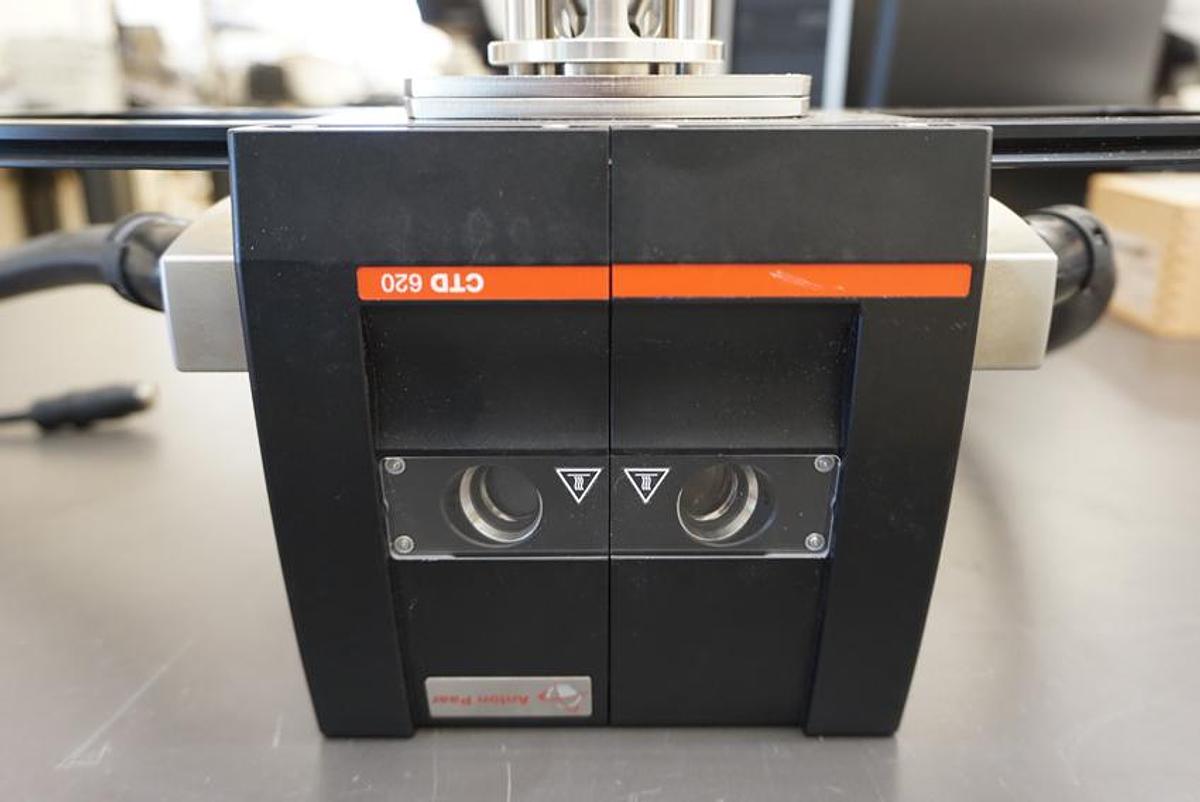
The Anton Paar CTD 620 is a high-precision temperature stability chamber and convection oven designed for use with Anton Paar Modular Compact Rheometers (such as the MCR 302) to perform dynamic mechanical analysis (DMA) and high-temperature rheological testing.
Key Features and Specifications
- Function: Provides controlled gas convection heating and cooling around the sample testing area.
- Temperature Stability: Offers high thermal stability within \(\pm0.1\ \text{\textdegree}C\).
- Application Modes: Frequently used in torsion deformation modes for rectangular solid bars, parallel-plate configurations, and melt rheology characterization.
- Environment Control: Often operated under an inert gas purge (such as nitrogen at controlled flow rates around 5 mL/min) to prevent sample degradation or oxidation at elevated temperatures.
- Typical Test Range: Widely utilized for temperature ramps and sweeps spanning ambient values up to high thermal limits (e.g., \(40\ \text{\textdegree}C\) to over \(180\ \text{\textdegree}C\) to \(200\ \text{\textdegree}C\)+) for polymers, composites, and hydrogels
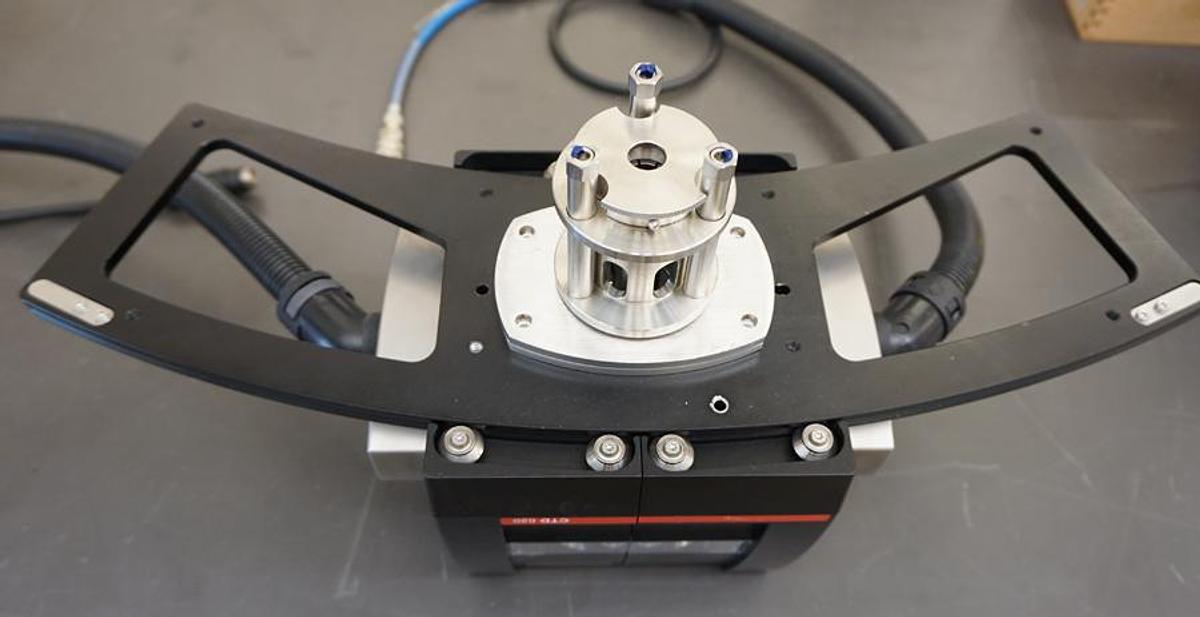
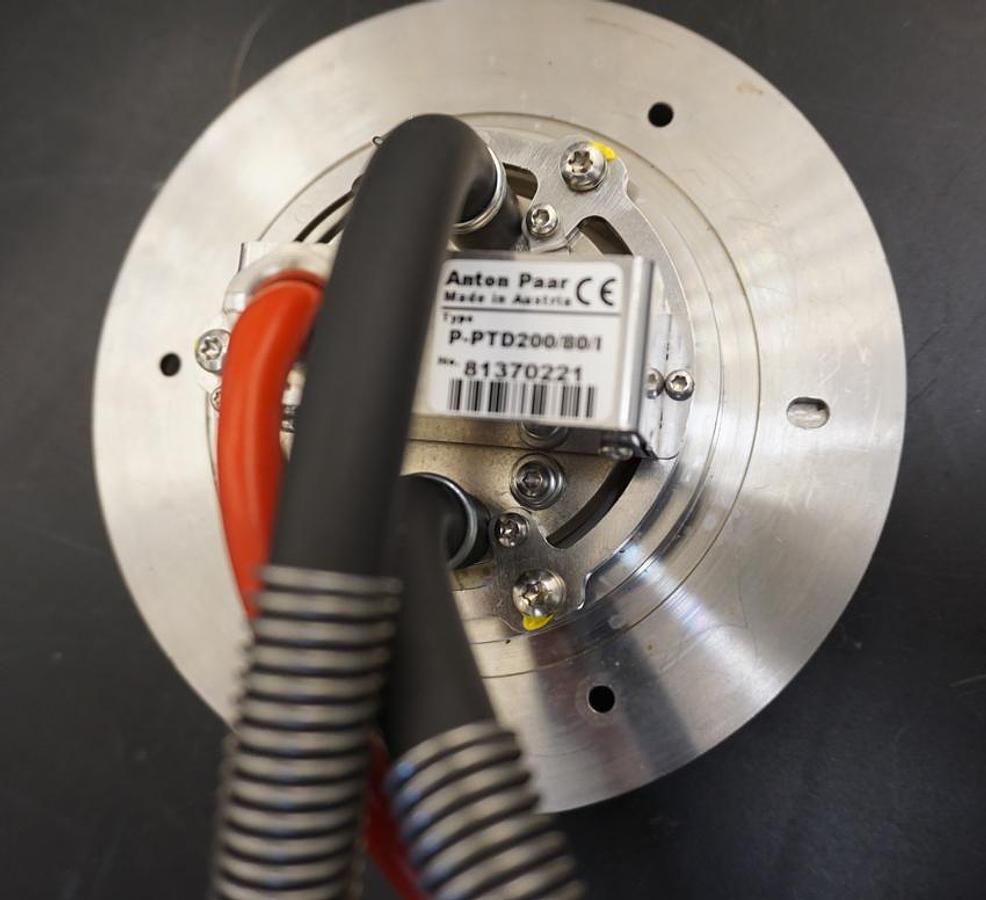
Peltier System P-PTD200/80/I high-precision Peltier temperature control measuring cell
Provides precise, rapid thermal control—typically ranging from -40 °C to 200 °C (depending on the specific lower plate or cylinder accessory). It eliminates external bath dependencies for standard ranges, features automatic Toolmaster recognition, and supports accurate cone-plate, parallel-plate, or concentric cylinder configurations.
Key Features
- Temperature Range: Standard operation spans from -40 °C up to 200 °C, ideal for polymers, gels, and liquids.
- Toolmaster™: Automatically detects attached measuring systems and lower plate configurations.
- T-Ready™: Verifies that the sample has reached the exact target temperature before data logging begins.
- TruGap™ Support: Adjusts for thermal expansion dynamically during temperature sweeps.
Available System Types
- Plate Systems (P-PTD): Designed for parallel-plate and cone-plate geometries.
- Cylinder Systems (CC-PTD): Built for concentric cylinder and Searle/Couette setups.
- Counter-Cooling: Uses fluid circulators or air-cooling options to extend sub-ambient low-end limits.
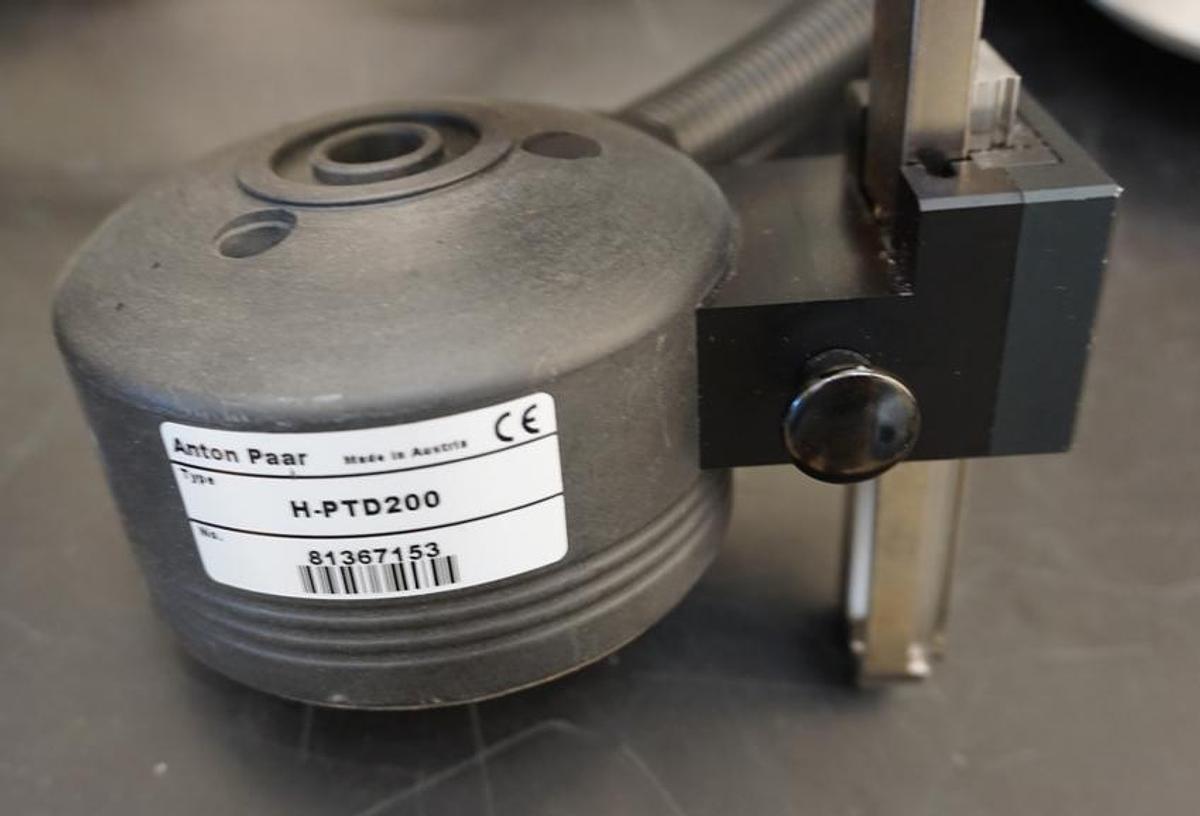
Anton Parr H-PTD200
Peltier-controlled heating and measuring temperature hood designed for use with Anton Paar MCR series rotational rheometer. It pairs with lower Peltier plate systems (like the P-PTD200) to enclose the sample space, providing precise thermal regulation from above and below.
C-PTD200
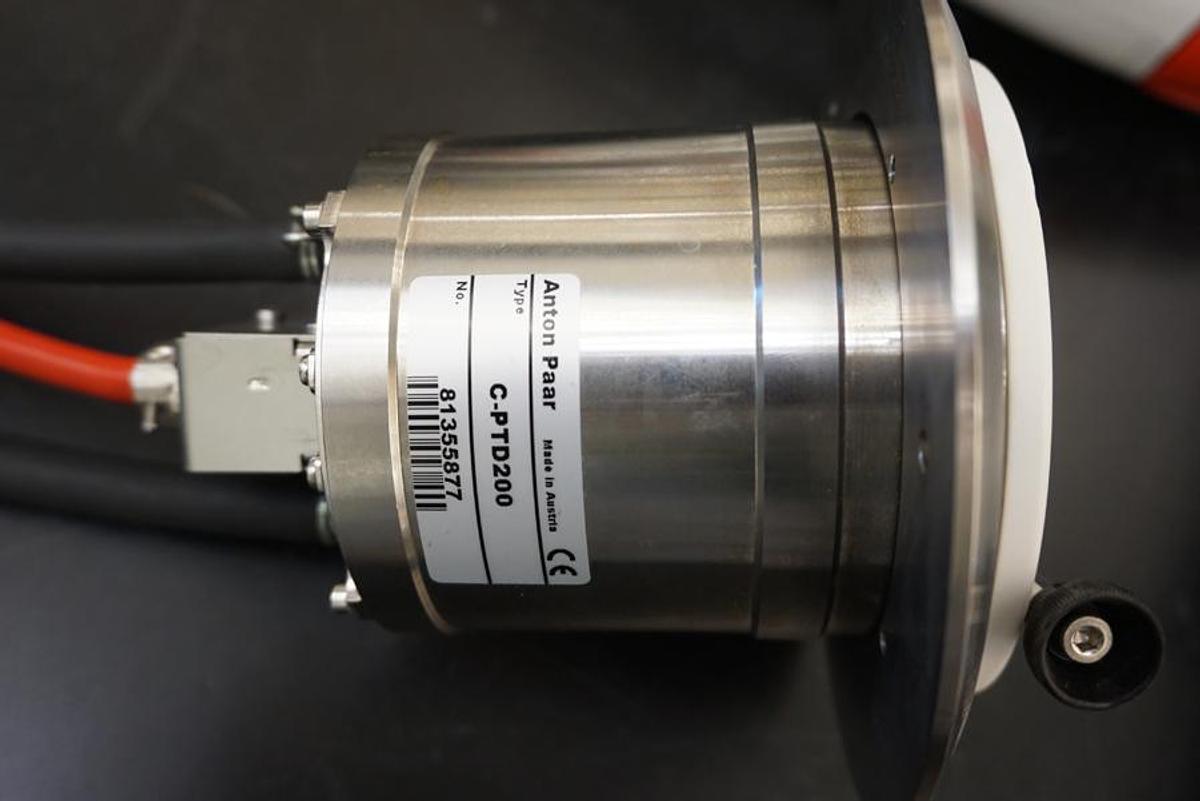
Peltier-temperature-controlled concentric cylinder device designed for Anton Paar MCR (Modular Compact Rheometer) series instruments. It provides active heating and cooling to accurately control sample temperatures during rheological measurements.
Key Specifications & Features
- Temperature Range: -30 °C to +200 °C
- Compatibility: Concentric cylinder measuring systems
- Thermal Control: Utilizes Peltier technology for fast heating and cooling rates with minimal thermal gradients
- Applications: Ideal for testing low-viscosity liquids, dispersions, polymer solutions, and running measurements with specialized pressure cells
Key Functions and Features
- Precise Temperature Control: Delivers stable thermal management (often within ±0.01 °C accuracy) directly at the measuring zone.
- Evaporation Prevention: Creates a closed thermal chamber that minimizes solvent or sample evaporation during long or elevated-temperature rheological sweeps.
- Purge Gas Option: Can be connected to a gas flow (such as air or nitrogen) to regulate the internal environment or prevent condensation/oxidation at sub-ambient or high temperatures.
- Application Compatibility: Frequently used in cone-plate and parallel-plate configurations for testing polymers, hydrogels, pharmaceutical creams, food emulsions, and dynamic viscosity profiling.
L-PP50/CTD Lower Measuring Plate 50mm
IRS Interfacial Rheological Cell
CP40-2 measuring cone
CP50-1 measuring cone
CP60-1 measuring cone
Bi-C68-5 5 degree measuring cone D:68.28mm
PF50 measuring plate 50mm
Solid torsion bar fixture cat no. 129533
Universal Extension Fixture UXF12/CTD V2.0 with temperature probe
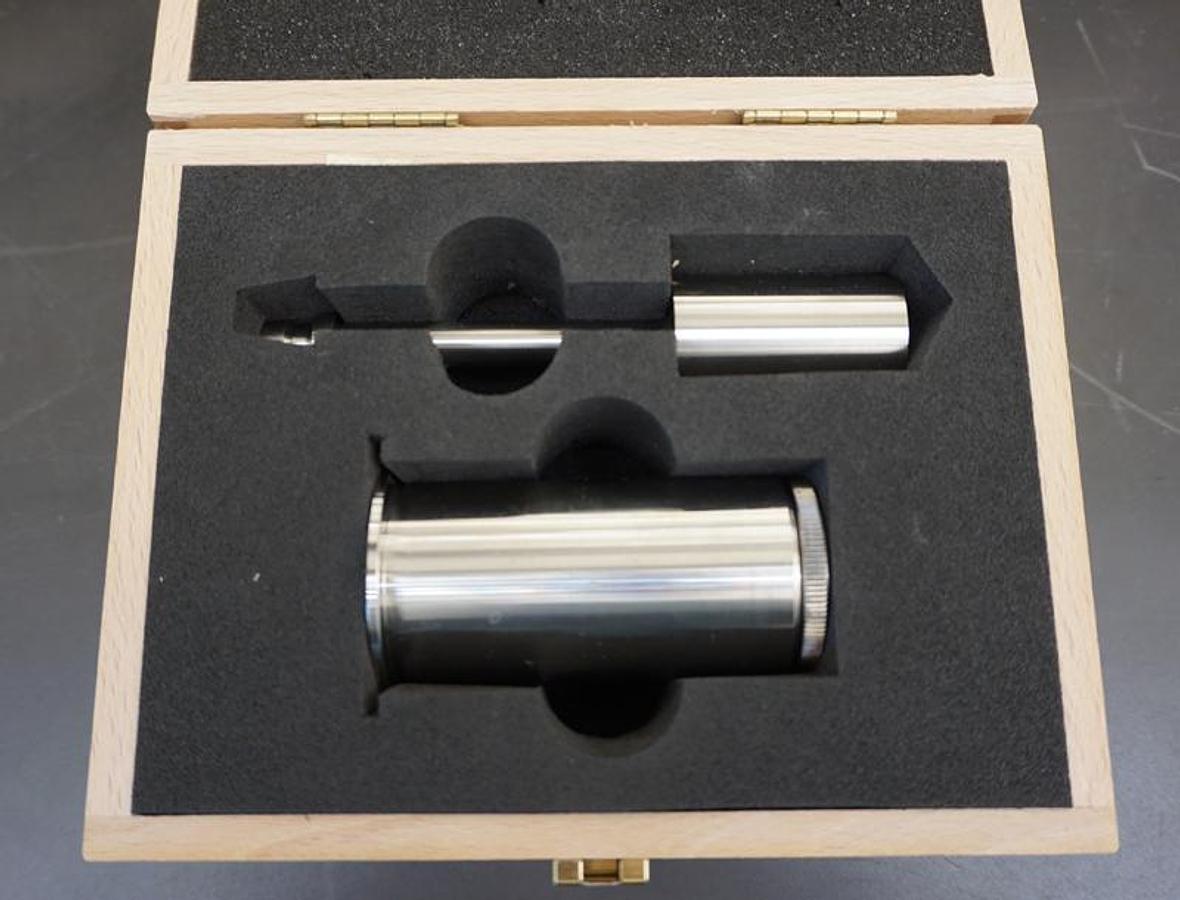
Standard Measuring System DG26.7/T200/SS Cat.no. 18345
Set of Manuals
Specifications
| Stock Number | 6241 |
| Manufacturer | Anton Parr |
| Model | MCR 302 |
| Year | 2013 |
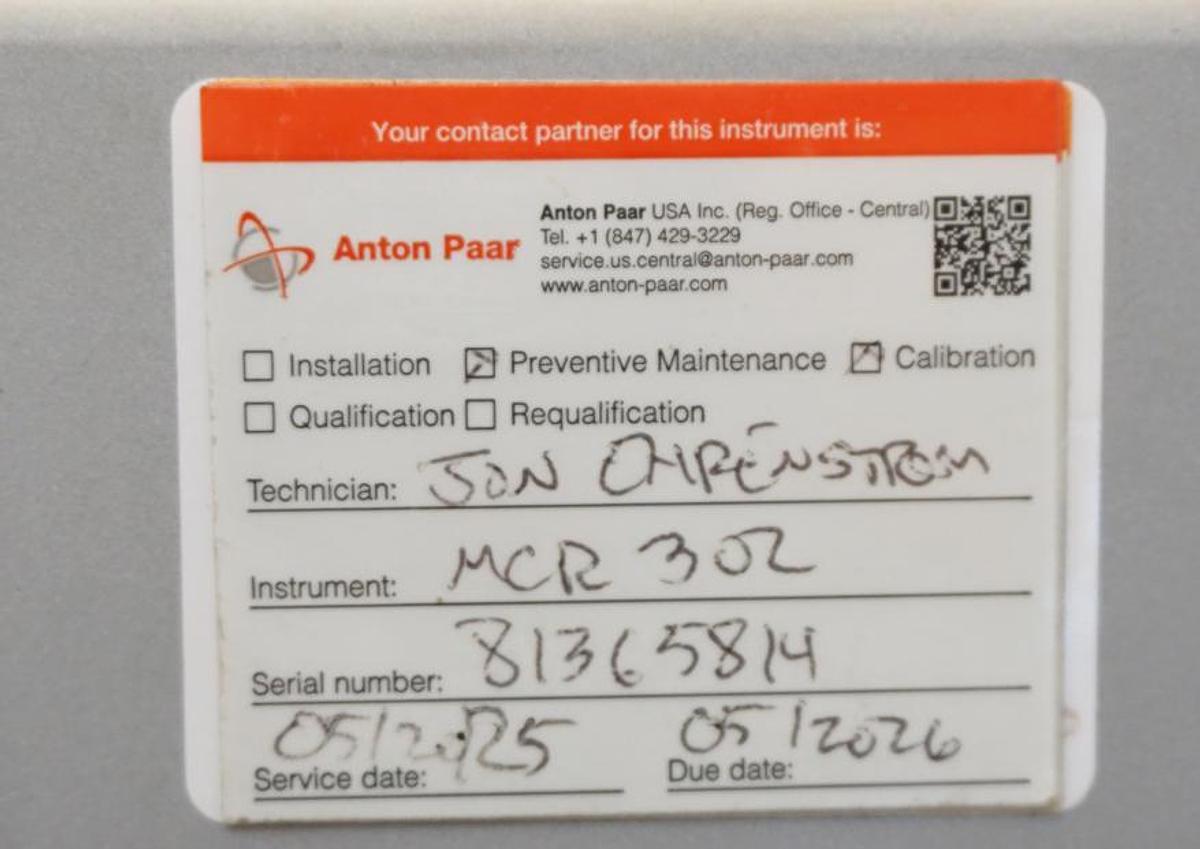
| Serial Number | 81365814 |